Fall Prevention for Seniors: Best Tips to Keep Safe Your Loved One
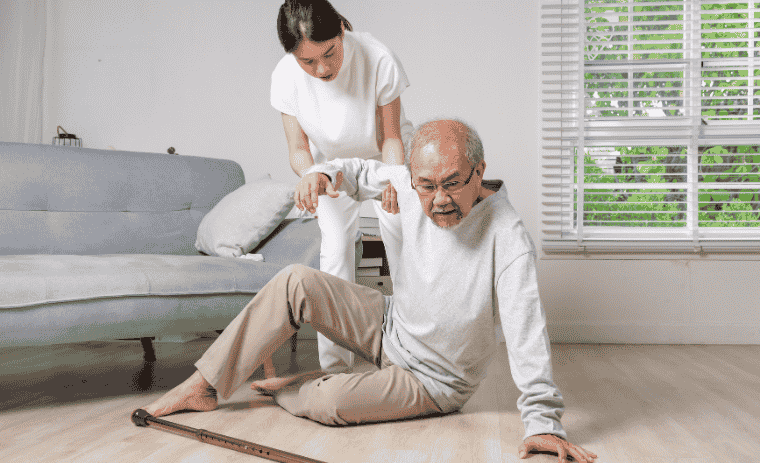
As people age, their risk of falling increases. A fall can cause serious injuries such as broken bones, head injuries, or long-term mobility issues. For seniors, a simple fall can change their life completely.
It can reduce independence, bring fear, and even lead to hospital stays. That is why fall prevention for seniors is one of the most important parts of home care. Families and caregivers can take many steps to make the home safer and reduce the risk of falls.
Why Fall Prevention is Important for Seniors
Falls are not just accidents. For seniors, they are one of the leading causes of injury. Studies show that one out of four seniors falls each year, and many do not tell their doctors about it.
Common Reasons Why Seniors Fall
Some of the most common reasons are:
- Weak muscles and poor balance
- Vision problems such as cataracts or poor lighting in the home
- Medications that cause dizziness or drowsiness
- Clutter or loose rugs on the floor
- Slippery bathrooms without grab bars
- Poor footwear such as slippers without support
- Chronic health conditions like arthritis, diabetes, or heart disease
Health-Related Risk Factors
Many falls are linked to health issues. Seniors often face muscle weakness, poor balance, or chronic conditions such as arthritis or Parkinson’s disease. These challenges make walking and standing more difficult.
Vision problems also increase risks. Cataracts or poor eyesight make it hard to notice obstacles. Seniors taking multiple medications may experience dizziness or drowsiness, leading to accidents.
A history of previous falls also raises the chance of future ones. Regular medical check-ups are essential to detect and address these health risks early.
Environmental Risk Factors
The home environment also plays a major role in fall safety. Loose rugs, poor lighting, and cluttered hallways create hidden dangers. The National Institute on Aging recommends simple changes such as removing clutter, adding non-slip mats, and installing grab bars in bathrooms. These steps reduce hazards and create a safer living space for seniors.
Importance of Regular Exercise
Physical activity is one of the best ways to prevent falls. Exercise strengthens muscles, improves flexibility, and enhances balance. Seniors who remain active are more confident when moving around.
Gentle exercises such as walking, stretching, or tai chi are highly effective. Even light daily activity makes a difference. Encouraging consistent exercise helps seniors remain strong and independent at home.
The Role of Medications
Medications can affect balance and coordination. Drugs prescribed for blood pressure, pain relief, or sleep problems often cause dizziness or drowsiness. These side effects increase fall risks.
Families should review prescriptions regularly with doctors. Adjusting doses or switching to alternatives can help. Open communication with healthcare providers is essential to manage these risks safely.
Vision and Eye Care
Good vision is critical for fall prevention. Poor eyesight makes it harder for seniors to see steps, curbs, or small objects on the floor. Even minor vision problems can create major safety concerns.
Regular eye exams and updated glasses are simple steps that improve safety. Treating conditions such as cataracts not only restores vision but also reduces the risk of accidents.
Safe Footwear Choices
Footwear often determines stability. Loose slippers, high heels, or socks without grips make slipping more likely. Seniors should wear shoes that fit well and provide strong support.
Non-slip soles are especially important for moving across different surfaces. Safe footwear is a small change that creates a big improvement in preventing falls at home.
Assistive Devices and Mobility Aids
For seniors with limited mobility, canes, walkers, or other aids are essential. These devices offer stability and confidence while moving around. However, they must be properly fitted to be effective.
Caregivers can help seniors use these tools correctly. Regular checks ensure that devices remain in good condition. The right mobility aid reduces risks and encourages safe independence.
The Role of Caregivers
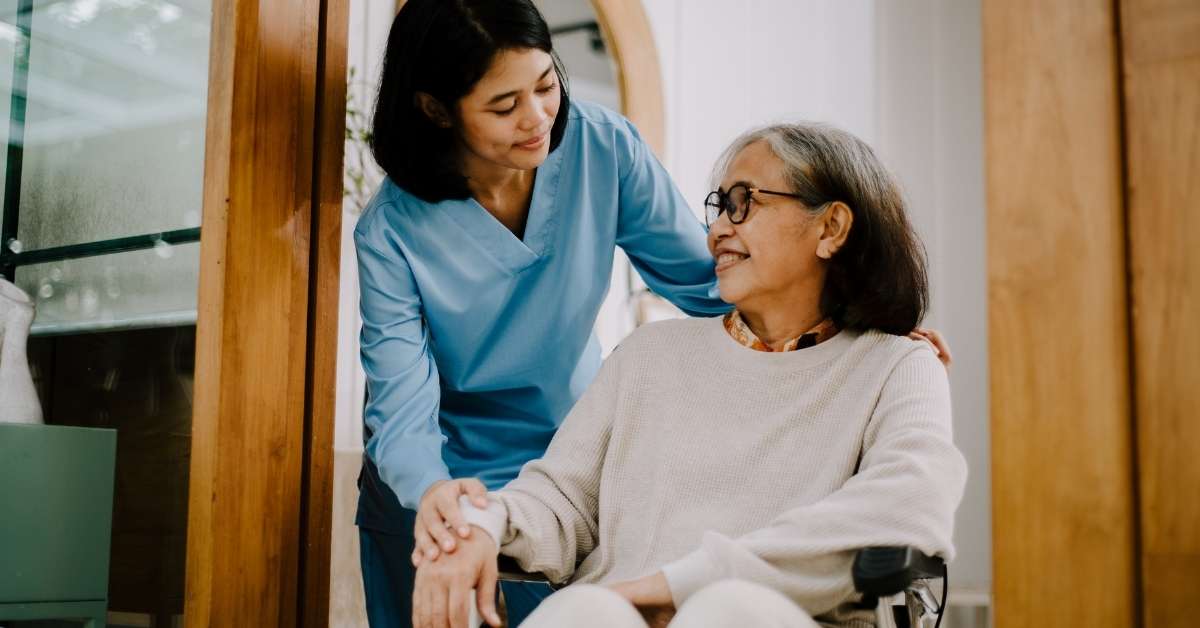
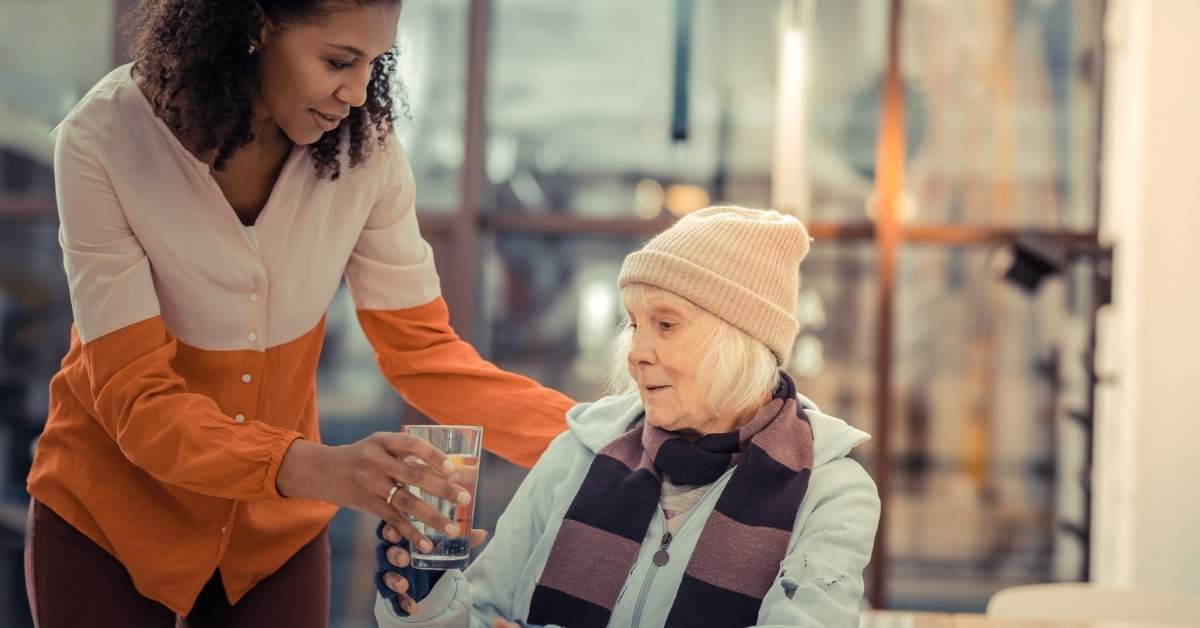
Caregivers are central to fall prevention. They observe daily routines, notice changes in mobility, and provide hands-on assistance when needed. Their support reduces risks during bathing, dressing, or walking.
Beyond physical help, caregivers also provide emotional support. They encourage seniors to remain active and prevent fear from limiting movement. Families gain peace of mind knowing caregivers are present.
Fall prevention for seniors is essential for maintaining independence and dignity. By addressing health risks, improving the home environment, and involving caregivers, families can reduce accidents.
Prevention is about more than safety. It allows seniors to live with confidence and continue enjoying their homes. With the right support, falls can be avoided, and quality of life can be preserved.