Bathing and Hygiene Assistance for Seniors: Trusted Support for Comfort and Confidence
Aging brings wisdom, experience, and resilience. Yet, it also introduces physical challenges that make daily hygiene more difficult. Seniors may struggle with bathing, grooming, or dressing, leading to frustration and loss of confidence. Bathing and hygiene assistance ensures that seniors remain clean, safe, and comfortable while preserving their dignity.
Common Challenges Seniors Face
For many seniors, bathing is physically demanding. Weak muscles, arthritis, or pain make movements difficult. Standing on slippery bathroom floors is risky, especially for those with balance issues. Seniors with memory conditions such as dementia may resist bathing because of confusion. These challenges make hygiene care one of the most needed forms of assistance.
The Role of Family Caregivers
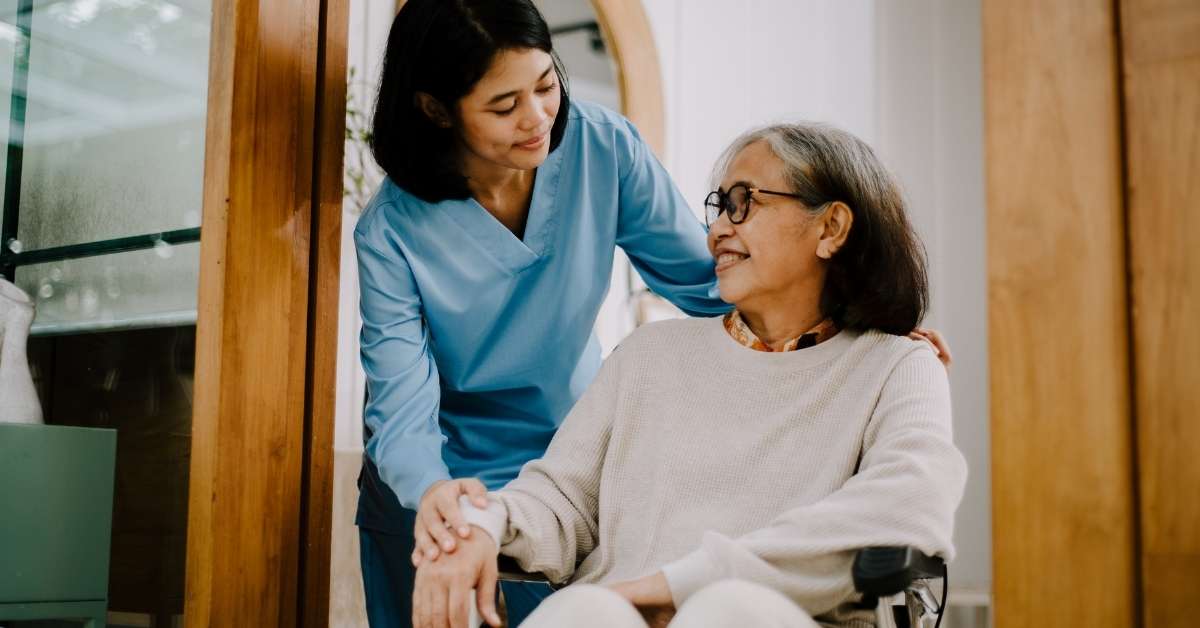
Family caregivers play a vital role in hygiene support. Their familiar presence helps seniors feel comfortable and respected. Bathing assistance provided by a trusted family member reduces embarrassment and makes the experience less stressful. Through programs like PA Home Care Aid, family caregivers can receive financial support while caring for their loved ones.
How Caregivers Provide Assistance
Caregivers prepare the bathroom by making it safe with non-slip mats, grab bars, and shower chairs. They help seniors step into the shower, wash gently, and maintain privacy with towels or robes. Grooming tasks such as brushing teeth, combing hair, shaving, or nail care are also provided. This approach balances physical help with emotional comfort.
Creating a Safe Bathing Environment
Safety comes first during bathing. Caregivers check water temperature, arrange toiletries within reach, and provide stable seating. Adequate lighting and calm communication help reduce anxiety. Each step is explained before it begins, so seniors feel secure. With these small adjustments, bathing becomes a safer and more positive routine.
Benefits for Seniors
Bathing assistance improves health by preventing skin problems and infections. Seniors who feel fresh and well-groomed are more confident in social interactions. Emotional benefits are also significant. A warm bath relaxes muscles, improves mood, and encourages better sleep. When hygiene is well-managed, seniors enjoy a higher quality of life every day.
Benefits for Families
Families benefit as well. Caregivers take on sensitive tasks that loved ones may struggle to manage, easing emotional stress. Families gain peace of mind knowing seniors are safe and comfortable. This allows family members to focus on spending quality time together instead of worrying about hygiene struggles.
Bathing Assistance in Pennsylvania
In Pennsylvania, programs like PA Home Care Aid give families the chance to provide personal care while being compensated. This means sons, daughters, or relatives can assist with hygiene tasks without sacrificing income. Seniors remain in familiar homes, supported by loved ones, while receiving reliable care that meets their daily needs.
Supporting Seniors with Limited Mobility
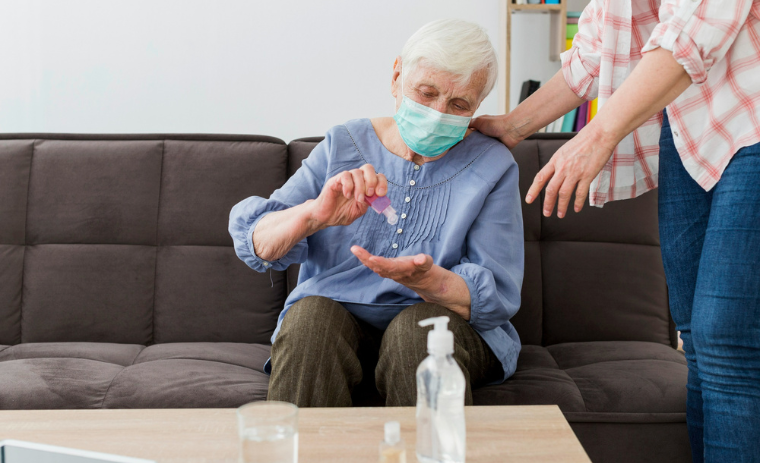
Seniors with mobility limitations often need extra support. For them, sponge baths, seated showers, or caregiver-assisted bathing routines are safer. Even small efforts, like helping with face washing or changing clothes, bring comfort. Tailoring the routine to each senior’s condition ensures safety while maintaining dignity and independence.
Emotional Impact of Hygiene Care
Bathing is a sensitive activity that can cause embarrassment if handled poorly. Caregivers who are calm and respectful make it a positive experience. Gentle communication, patience, and reassurance help seniors relax. Feeling cared for builds trust, which strengthens the bond between seniors and their caregivers.
The Connection Between Hygiene and Dignity
Good hygiene allows seniors to feel proud of their appearance. Wearing clean clothes, combed hair, and fresh skin restores confidence. This sense of dignity is important for mental well-being. Seniors who feel good about themselves are more likely to stay active, social, and engaged with family and friends.
Tips for Family Caregivers
Simple steps make bathing easier for caregivers. Preparing everything in advance, speaking in a calm tone, and encouraging seniors to do what they can increases comfort. Taking time to listen and adjust to preferences helps reduce stress. Patience and consistency make hygiene care a routine rather than a challenge.
When Families Need Extra Help
Sometimes, family caregivers face limits. Bathing may require more support than one person can give. In such cases, professional home care aides can step in. They are trained to manage hygiene safely while respecting privacy. Families in Pennsylvania can combine professional support with family caregiving programs for flexible care.
The Role of PA Home Care Aid
PA Home Care Aid makes it possible for family caregivers to receive payment while supporting seniors at home. This program eases financial pressure and ensures seniors get reliable hygiene care. Loved ones can continue living with dignity and independence while remaining in the comfort of their homes.
Bathing and hygiene assistance for seniors is one of the most important aspects of personal care. It prevents illness, reduces risks, and supports emotional health. For families in Pennsylvania, PA Home Care Aid allows relatives to provide this care while being financially supported. By focusing on hygiene, seniors can live with safety, dignity, and joy.