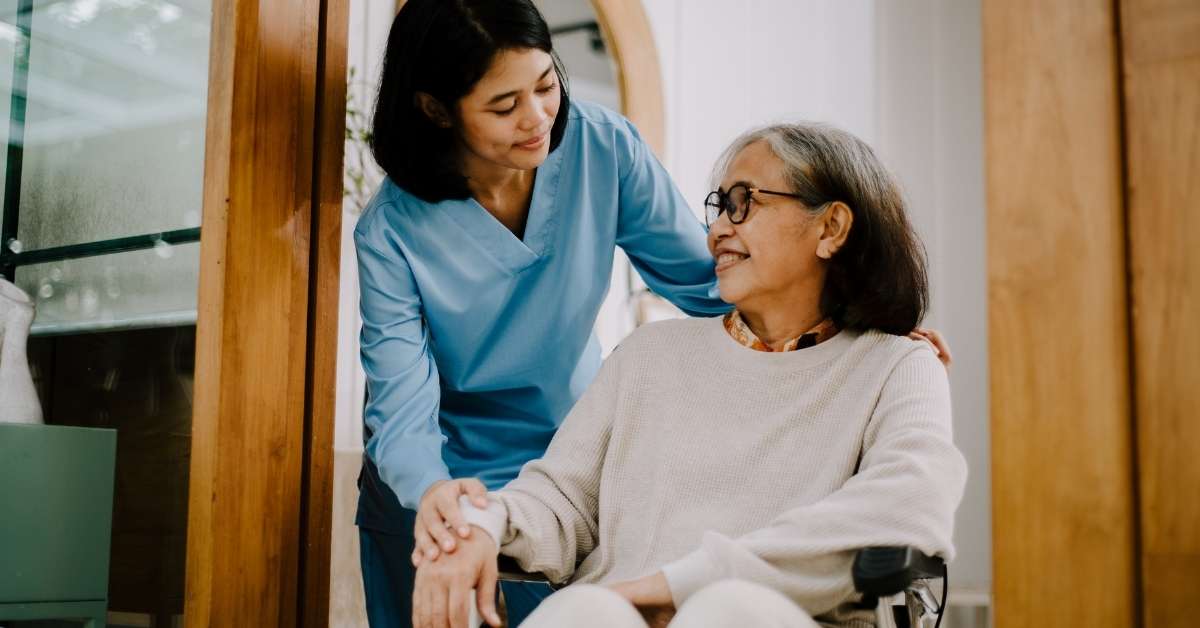

Home Care vs Nursing Home: Which is the Better Choice for Pennsylvania Families?
Choosing care for an aging loved one is not just a medical decision; it is a family, financial, and emotional one. When families in Pennsylvania weigh Home Care vs Nursing Home, the real question is often about dignity, safety, cost, and quality of life. This guide breaks the decision down into clear, practical steps so you can choose with confidence.
What Does Home Care Actually Provide?
Home care allows seniors to receive assistance while staying in their own home. Services typically include help with bathing, dressing, mobility, meal preparation, medication reminders, light housekeeping, and companionship. In Pennsylvania, many home care programs also allow family members to be paid caregivers under Medicaid waiver programs.
The most important benefit is continuity. Seniors remain in familiar surroundings, keep daily routines, and stay close to family and community support systems.
What Does a Nursing Home Typically Offer?
A nursing home provides 24/7 supervision in a residential facility. It is designed for seniors who need constant medical monitoring, skilled nursing care, or advanced rehabilitation services that cannot safely be provided at home.
While nursing homes offer structured care, they also require major lifestyle adjustments. Shared rooms, fixed schedules, and limited personal freedom can be challenging for many seniors.
How Does Daily Life Differ Between Home Care and Nursing Homes?
Daily life looks very different in each setting. With home care, seniors wake up in their own bed, eat familiar foods, and maintain independence with support. Care adapts to their schedule not the other way around.
In nursing homes, routines are facility-driven. Meals, medications, and activities follow set timetables. For some seniors this structure helps, but for others it feels restrictive and emotionally draining.
Which Option Supports Independence Better?
Home care is built around independence. Caregivers assist only where needed, allowing seniors to do as much as they safely can on their own. This approach helps maintain physical strength and mental confidence.
Nursing homes focus on safety and efficiency, which can unintentionally reduce independence. Over time, seniors may rely more on staff even for tasks they could have handled with minimal support.
How Do Costs Compare in Pennsylvania?
Cost is often a deciding factor in the Home Care vs Nursing Home debate.
Home care costs are flexible. Families can choose part-time or full-time care, controlling expenses. In Pennsylvania, Medicaid programs may cover home care services, and eligible family caregivers can receive payment.
Nursing homes are significantly more expensive. Monthly costs are typically much higher, and Medicaid eligibility often requires spending down assets first. Once admitted, families have little control over ongoing costs.
When Does Home Care Become the Better Choice?
Home care is often the better option when:
- The senior needs help with daily activities but not constant medical supervision
- Family members are available to assist or serve as caregivers
- Emotional well-being, comfort, and independence are priorities
- The goal is aging in place rather than relocation
When is a Nursing Home the Safer Option?
A nursing home may be necessary when:
- The senior requires 24/7 skilled nursing care
- Advanced dementia or medical instability creates safety risks at home
- Frequent medical interventions are required
- Home care can no longer meet physical or cognitive needs
How Can Families Decide Between Home Care and Nursing Homes?
The best decision comes from assessing real needs not fear or pressure. Families should evaluate mobility, medical requirements, cognitive health, home safety, caregiver availability, and financial resources. Consulting a local Pennsylvania home care professional can clarify whether home-based support is sufficient or if facility care is necessary.
Why Do Many Pennsylvania Families Choose Home Care First?
Most seniors prefer to stay at home, and many families find that home care delays or completely avoids nursing home placement. With today’s expanded home care services and caregiver support programs in Pennsylvania, staying at home is often safer, more affordable, and emotionally healthier than families expect.
Which Choice Protects Quality of Life Long-Term?
Quality of life is not just about medical care; it is about dignity, connection, and comfort. For seniors who can safely remain at home, home care often delivers better emotional health, stronger family bonds, and a greater sense of control over daily life.
There is no one-size-fits-all answer to Home Care vs Nursing Home. But for many Pennsylvania families, home care provides a compassionate, cost-effective, and flexible solution that keeps loved ones where they feel safest at home.