5 Ways Home Care Improves Independence and Safety
Why does Home Care Improve Independence for Seniors?
When health declines or mobility becomes limited, many families assume institutional care is the only safe option. In reality, structured in-home support often preserves freedom far better than facility living. Home care works inside the person’s existing lifestyle rather than replacing it.
Care plans are built around daily habits when the client wakes up, what they eat, how they move, and how they prefer to live. This personalized structure allows individuals to stay in control of their routines while receiving the help they truly need.
1. Personal Assistance Support Daily Self-Reliance
One of the most direct ways home care improves independence is through targeted help with Activities of Daily Living (ADLs). This includes bathing, dressing, grooming, toileting, and mobility support.
The key is assistance not replacement.
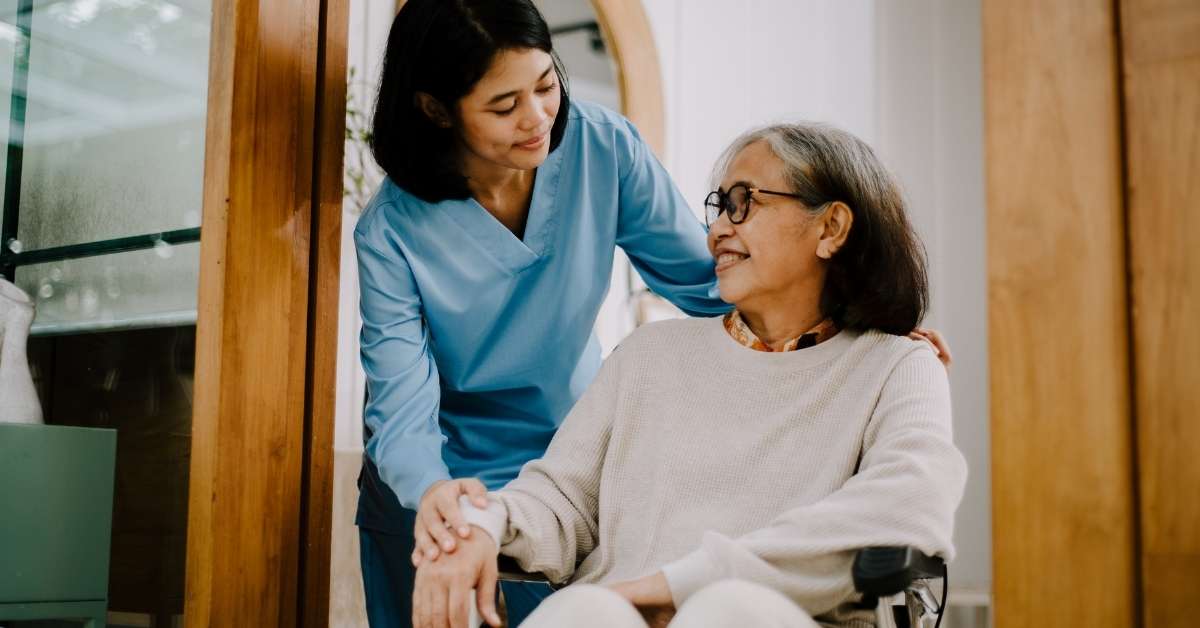
Caregivers are trained to encourage participation. For example, instead of dressing the client fully, they support balance, prepare clothing, or assist with difficult fasteners. This preserves physical function and confidence while reducing injury risk.
2. Medication Support Improves Safety at Home
Medication mismanagement is one of the leading causes of preventable hospital visits among seniors. Missed doses, double dosing, or confusion between prescriptions can quickly lead to health decline.
Home caregivers improve safety by:
- Providing medication reminders
- Monitoring side effects
- Reporting health changes to families or nurses
- Ensuring prescriptions are taken as directed
3. Mobility Assistance Prevents Falls
Falls are a major threat to both independence and long-term health. A single fall can lead to fractures, hospitalization, or permanent mobility loss.
Home care reduces this risk through:
- Supervised walking and transfers
- Assistive device support (walkers, canes)
- Fall-risk monitoring
- Strength-preserving movement routines
4. Home Safety Modifications Strengthen Protection
Independence is only sustainable when the environment supports it. Home caregivers often help identify and address safety risks such as:
- Loose rugs or cluttered walkways
- Poor lighting
- Bathroom slip hazards
- Unsafe stair access
5. Emotional Support Reinforces Independent Living
Loss of independence is not just physical it is deeply emotional. Isolation, anxiety, and depression often accelerate functional decline.
Caregivers provide:
- Companionship and conversation
- Engagement in hobbies
- Encouragement in daily activities
- Social connection support
Independence and Safety Can Coexist
The assumption that safety requires sacrificing independence is outdated. Modern home care is designed to protect both.
Through personalized assistance, medication oversight, fall prevention, emotional support, and environmental safety, home care improves independence while building a protective framework around daily life.
For families, this means reassurance.
For seniors, it means dignity.
And for both, it means a safer path forward at home.