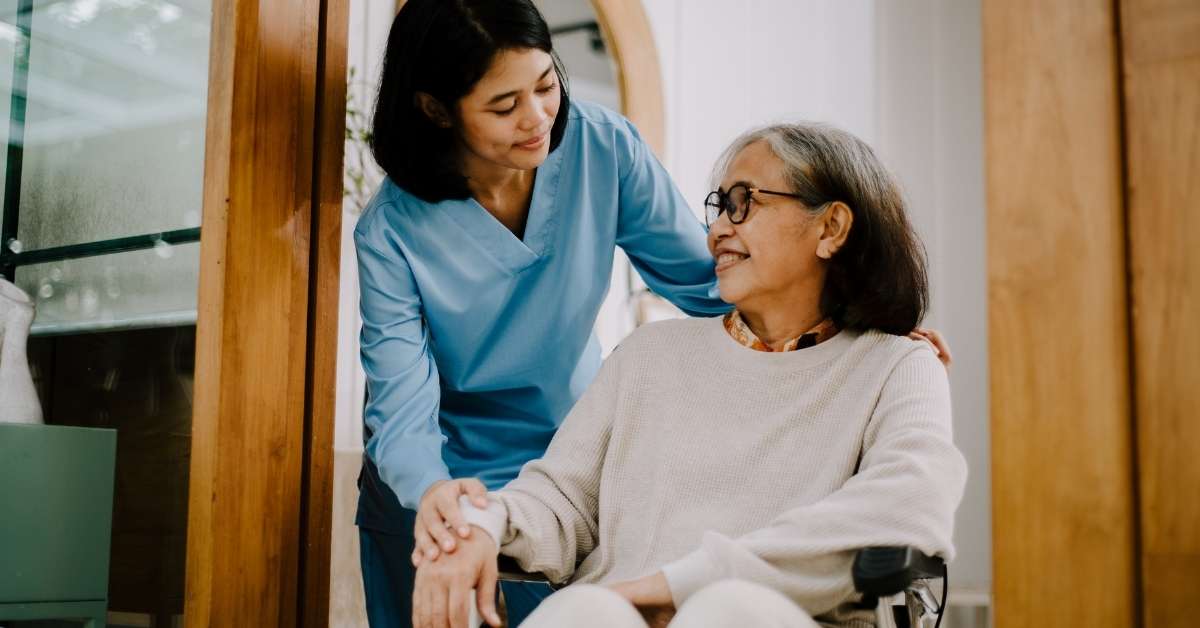

How Are Support Networks for Caregivers and Seniors Strengthening Life Across PA Counties?
Caring for an aging parent, spouse, or loved one is emotionally meaningful, but the responsibility can quietly become overwhelming. Medical appointments, daily care tasks, financial stress, and emotional burnout often pile up faster than families expect. This is where support networks for caregivers and seniors become a powerful lifeline across Pennsylvania counties. These local systems are not just abstract services they are real people, real help, and real relief when families need it most.
From Philadelphia to Allegheny, from Erie to Lancaster, county-based senior support networks are reshaping how caregiving works at home by connecting families with training, respite care, financial guidance, and emotional support.
Why are Support Networks So Important in Daily Life?
Caregiving is not just physical work. It is mental, emotional, financial, and social labor happening all at once. Without structured support, many caregivers experience fatigue, anxiety, and long-term health issues of their own. Seniors, at the same time, often face isolation, loss of independence, and safety risks.
Support networks for caregivers and seniors solve this gap by creating a safety net that helps both sides of the caregiving relationship. These networks reduce hospital readmissions, improve treatment follow-through, prevent caregiver burnout, and help seniors stay safely in their homes for longer periods.
In Pennsylvania, county-based programs are especially valuable because they adapt support to local transportation systems, community health facilities, and aging populations.
How Can They Help Caregivers in Real Situations?
Many caregivers believe they must handle everything alone. This belief is the fastest route to burnout. In real Pennsylvania households, support networks step in with practical solutions.
County caregiver programs commonly help families navigate Medicaid waivers, arrange backup care during emergencies, provide caregiver training for medical tasks, connect families with adult day programs, and guide them through long-term care planning. Some counties also offer direct caregiver counseling to manage stress, grief, and role changes.
For example, when a caregiver struggles with managing diabetes care or dementia behaviors, support networks connect them with disease-specific education and local clinician guidance instead of leaving them to guess through trial and error.
Where are The Support Networks Usually Located in PA?
Most counties in Pennsylvania coordinate caregiver and senior resources through Area Agencies on Aging. These agencies act as the central hub where seniors and caregivers can access multiple services with one phone call. Community health centers, nonprofit senior programs, faith-based organizations, and disability resource centers also form critical layers of the support network.
Urban counties may offer large senior wellness centers and hospital-linked care managers, while rural counties focus more on home visits, transportation services, and volunteer caregiver programs. The structure may differ, but the mission remains the same keep seniors safe at home and caregivers supported.
How are they Supporting Emotional Health?
Caregiving can silently isolate people. Friends drift away, social routines disappear, and exhaustion replaces community. Support networks solve this through structured peer support, caregiver group meetings, and one-on-one mental health referrals.
Many caregivers in Pennsylvania report that simply speaking with others facing similar challenges reduces guilt and emotional overload. Seniors benefit emotionally as well through companionship programs, social wellness activities, and community engagement services. Emotional health is not a side benefit it directly improves physical health outcomes as well.
What Can Support Networks for Caregivers and Seniors Do for Financial Stability?
Caregiving often forces families to cut back work hours or exit the workforce entirely. This creates long-term financial pressure. Support networks in Pennsylvania assist families with benefit screening, utility assistance applications, housing stability resources, and long-term care planning.
They also help families understand compensation options for family caregivers when available, instead of relying entirely on unpaid labor. Financial stability directly affects care quality, medication adherence, nutrition, and safety in the home.
How Should Families Begin Using it?
The biggest obstacle is not availability it is awareness. Many families delay seeking help until a crisis happens. The smartest move is to engage support networks early, when care needs first begin to increase.
Families should start by identifying county-based aging services, requesting a caregiver needs assessment, and openly sharing daily struggles without minimizing them. Support networks work best when they see the full picture medical needs, emotional stress, financial strain, and family dynamics.
The earlier families connect, the more options remain available long before emergencies force rushed decisions.
Why Must Support Networks for Caregivers and Seniors Be Seen as Long-Term Tools?
Caregiving is not a short-term project. Chronic illness, mobility decline, and cognitive conditions often progress slowly over years. Support networks are not designed for one-time use; they are built for long-haul caregiving journeys.
As needs change from light support to skilled medical oversight the network adapts. Families who remain connected long-term consistently report fewer care gaps, smoother hospital discharges, better medication adherence, and stronger family stability.
How can It Change the Future of Aging in Pennsylvania?
Pennsylvania’s population is aging rapidly. Without strong caregiving systems, the healthcare system becomes overwhelmed, and families collapse under pressure. Support networks reduce institutional placements, delay nursing home admissions, and preserve family-centered care.
These networks represent a shift from crisis-driven caregiving toward prevention-driven caregiving. When caregivers are educated, emotionally supported, and financially stable, seniors experience dignity, safety, and independence at home.
Support networks for caregivers and seniors are not optional comforts they are essential infrastructure for modern home care in Pennsylvania. They stabilize families, protect caregiver health, and preserve senior independence across counties.
Caregiving becomes sustainable only when it is shared. The strongest caregivers are not the ones who suffer alone, but the ones who know how and when to connect to the right support system.