Technology in Home Care: How Apps and AI Are Making Care Safer and Smarter
Technology in Home Care is no longer a future concept. It is already shaping how families and caregivers protect seniors every day. From mobile apps that track medications to AI systems that detect health risks early, modern home care has become more proactive, accurate, and safer. For families in Pennsylvania, understanding how these tools work can help them make better care decisions and reduce daily caregiving stress.
Why is Technology in Home Care Becoming Essential for Families?
Caring for an aging loved one involves constant monitoring, communication, and decision-making. Technology in Home Care fills the gaps that human effort alone cannot always cover. Digital tools help caregivers stay organized, respond faster to emergencies, and maintain consistency in care routines.
For families juggling jobs, children, and caregiving responsibilities, technology reduces guesswork. It ensures that important tasks like medication timing or appointment follow-ups do not get missed, even during busy or stressful days.
How Are Caregiver Apps Improving Daily Home Care Safety?
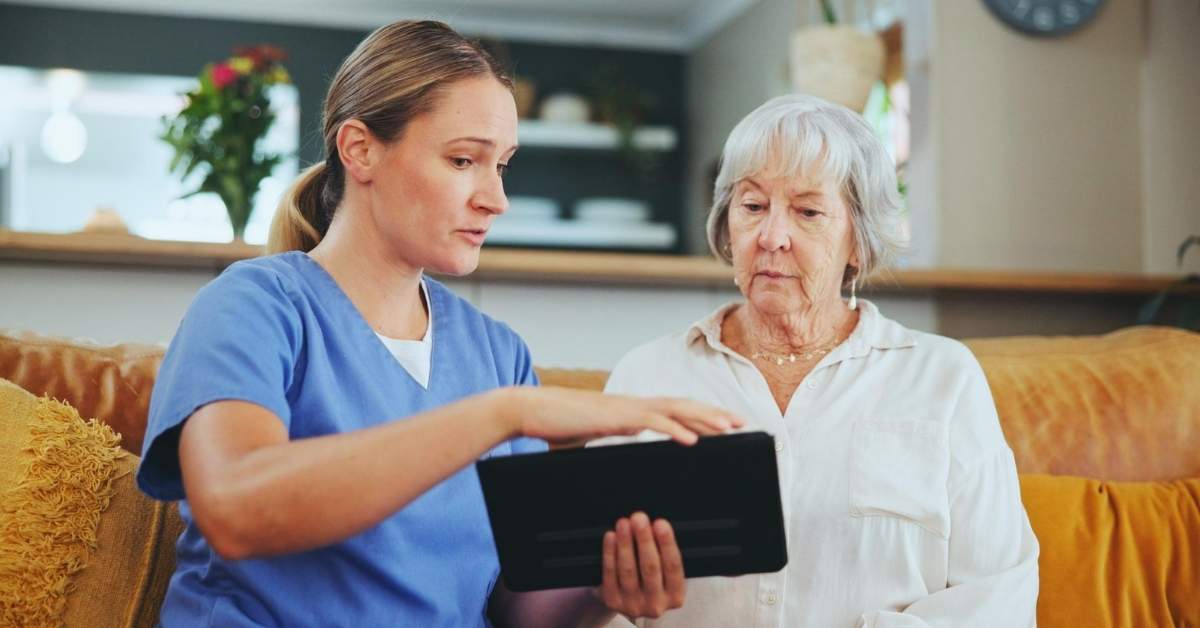
Caregiver apps are now one of the most widely used forms of Technology in Home Care. These apps help manage everyday care tasks in a structured and reliable way. Most caregiver apps allow families to set medication reminders, track vital signs, log daily activities, and communicate instantly with caregivers.
For example, if a senior misses a medication dose, the app can send an alert to both the caregiver and a family member. This simple feature alone can prevent serious health complications caused by missed or incorrect medication usage.
How Is AI Helping Detect Health Risks Earlier at Home?
Artificial intelligence plays a growing role in Technology in Home Care by identifying patterns that humans may overlook. AI-powered systems can analyze changes in movement, sleep patterns, or daily behavior to flag potential health concerns early.
If a senior starts moving less frequently or shows irregular sleep patterns, AI tools can alert caregivers before the issue becomes severe. Early detection allows families to seek medical advice sooner, reducing hospital visits and emergency situations.
How Are Remote Monitoring Tools Keeping Seniors Safer?
Remote monitoring devices are another powerful part of Technology in Home Care. These tools include wearable devices, smart sensors, and emergency alert systems that operate continuously. They track heart rate, blood pressure, movement, and even falls in real time.
If a fall occurs or vital signs cross a danger threshold, alerts are sent immediately to caregivers or family members. This rapid response capability is especially valuable for seniors who live alone or have mobility challenges.
How Can Technology Improve Communication Between Families and Caregivers?
Clear communication is critical in home care, and Technology in Home Care makes it faster and more transparent. Many care platforms allow families to view daily care logs, caregiver notes, and health updates through a single dashboard.
Instead of relying on memory or handwritten notes, families can see exactly what care was provided and when. This builds trust, reduces misunderstandings, and ensures everyone involved stays aligned on the care plan.
Can Technology Help Reduce Caregiver Burnout?
Caregiver burnout is common, especially among family caregivers. Technology in Home Care helps reduce this burden by automating routine tasks and providing reassurance. Knowing that systems are monitoring safety and sending alerts allows caregivers to rest without constant worry.
Scheduling tools, digital reminders, and shared care calendars also prevent mental overload. When responsibilities are clearly organized, caregivers can focus more on emotional support rather than constant supervision.
How Should Families Choose the Right Technology in Home Care?
Not every tool is suitable for every situation. Families should choose Technology in Home Care based on the senior’s health needs, comfort with devices, and level of supervision required. Simple reminder apps may work for independent seniors, while advanced monitoring systems may be better for those with chronic conditions.
It is also important to ensure that caregivers are trained to use these tools correctly. Technology works best when it supports human care not replaces it.
What Does the Future of Technology in Home Care Look Like?
Technology in Home Care will continue to evolve with smarter AI, more user-friendly apps, and better integration with healthcare providers. The focus will remain on prevention, safety, and personalized care at home.
For Pennsylvania families, embracing these tools means better peace of mind, fewer emergencies, and a higher quality of life for loved ones aging at home.