
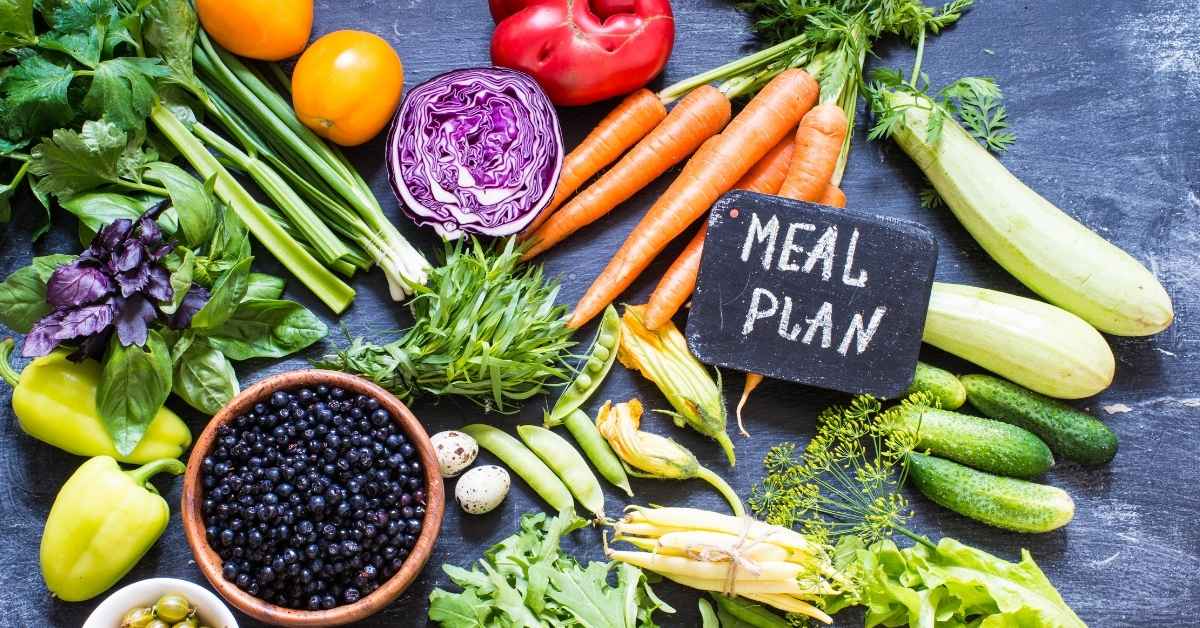
Proper Nutrition and Meal Planning for Seniors
Good nutrition is one of the most important aspects of healthy aging. As adults grow older, their metabolism slows, appetite may decrease, and nutrient absorption becomes less efficient. For seniors, the right diet provides the strength and energy needed for daily activities while also helping to manage or prevent chronic conditions such as diabetes, heart disease, and high blood pressure.
Families and caregivers across Pennsylvania play a vital role in ensuring that seniors maintain a healthy diet – one that supports both their body and mind.
Key Nutritional Needs for Older Adults
Aging bodies have specific nutritional requirements that differ from those of younger adults. Focusing on these essential nutrients helps maintain vitality and overall wellness:
Protein: Helps preserve muscle mass and supports tissue repair. Good sources include lean meat, fish, eggs, and legumes.
Fiber: Aids digestion and helps control cholesterol and blood sugar levels. Found in vegetables, fruits, and whole grains.
Calcium and Vitamin D: Strengthen bones and reduce the risk of fractures.
Healthy Fats: Sources like olive oil, nuts, and avocado promote heart health.
Hydration: Seniors often feel less thirsty; encourage regular water intake throughout the day.
Smart Meal Planning for Seniors
A thoughtful meal plan ensures that seniors receive consistent nourishment while also making meals enjoyable and easy to manage. Follow these core principles:
Plan Ahead: Prepare weekly menus featuring balanced meals with appropriate portion sizes.
Incorporate Variety: Include colorful fruits, vegetables, proteins, and grains to cover all nutrient bases.
Opt for Soft Foods: Gentle textures make eating easier and more comfortable.
Use Herbs Instead of Salt: Enhance flavor while keeping sodium levels low.
Serve Smaller, Frequent Meals: This supports digestion and stabilizes energy levels.
These strategies simplify mealtime routines and help maintain a balanced diet even when appetite or mobility changes.
Simple and Nutritious Meal Ideas
Here are a few practical examples of daily meal options suitable for seniors:
Breakfast: Oatmeal with milk, banana slices, and a sprinkle of nuts.
Lunch: Baked chicken breast with brown rice and steamed broccoli.
Snack: Yogurt with mixed berries.
Dinner: Grilled salmon, sweet potatoes, and sautéed spinach.
Hydration Tip: Encourage water, herbal tea, or fresh fruit-infused water throughout the day.
The Role of Caregivers in Supporting Nutrition
Caregivers are essential in helping seniors maintain proper nutrition. They can:
Prepare balanced meals and monitor dietary preferences.
Observe changes in appetite or weight and report them to healthcare providers.
Ensure grocery shopping includes healthy, fresh ingredients.
Create a calm, social environment during meals to encourage better eating habits.
For many families in Pennsylvania, professional home care programs provide caregivers who specialize in meal preparation, dietary monitoring, and nutritional support – allowing seniors to stay healthy while aging comfortably at home.
Proper nutrition and meal planning can dramatically improve a senior’s quality of life. Balanced meals enhance strength, mental clarity, and emotional well-being. For families across Pennsylvania, partnering with trusted home care services can ensure seniors receive the daily nourishment and care they deserve.
A well-planned diet isn’t just about food, it’s about promoting longevity, independence, and dignity in every stage of life.