
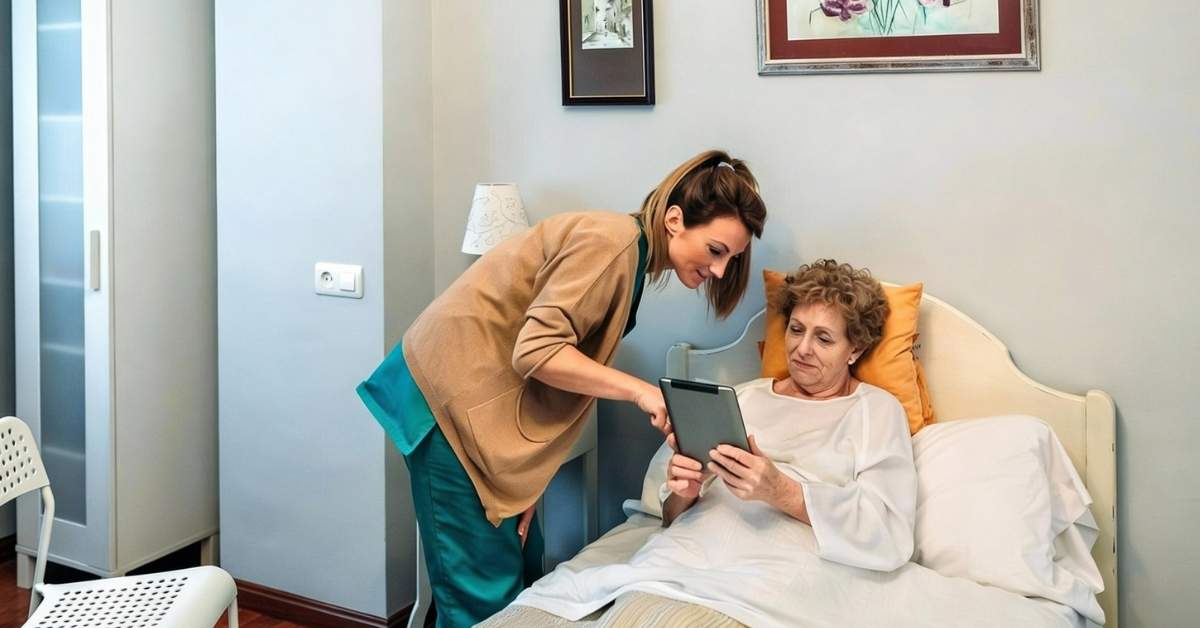
Post-Hospital Discharge Care at Home
Leaving the hospital is not the finish line. It is the handoff point where families suddenly become the care team. Most preventable setbacks after discharge come from the same problems: unclear instructions, medication mix-ups, missed follow-ups, and not having the right help or equipment at home. A strong Post-Hospital Discharge Care plan turns that risky handoff into a safer recovery.
Why is the first week after discharge so important?
The days right after discharge are a high-risk window because care responsibilities shift fast: new medicines, new limits on activity, new wound care or therapy routines, and new warning signs to watch for. AHRQ describes hospital-to-home transitions as challenging because patients and families become responsible for coordination that was handled inside the hospital.
What should a discharge plan include before you leave the hospital?
A safe plan usually includes three things: clear instructions, confirmed services, and real understanding.
Hospitals are expected to evaluate what a patient needs after discharge and whether the patient can manage self-care at home or needs support. If follow-up providers are identified, discharge information should be shared so the next clinician or post-acute provider is not starting blind.
If you feel rushed, slow the process down by asking for plain-language answers to these questions: What changed? What exactly do we do at home? What problems mean “call the doctor today” versus “go to the ER now”? (Those “what-if” instructions are not extra. They are the safety net.)
What should you do in the first 72 hours at home?
The first 72 hours should be treated like a stabilization phase.
You should confirm follow-up appointments, re-check the medication list, and make sure you have the right supplies and equipment. Many transition programs include a post-discharge phone call within about 72 hours to catch issues early such as confusion about medicines or missed appointments.
If something feels “off” but not emergency-level, do not wait. Early action is often what prevents a bounce-back to the hospital.
Why is medication reconciliation so often the make-or-break step?
Medication problems are one of the most common reasons people get readmitted. After discharge, you may have medications that were stopped, replaced, dose-changed, or newly added. “Medication reconciliation” means comparing the discharge medication list to what the person was taking before and what is in the outpatient record, then resolving conflicts.
A practical approach is to keep one “source of truth” list and bring it to every appointment. If a medicine is missing, duplicated, or unclear, treat that as urgent until clarified by the prescribing clinician or pharmacist.
How can a “teach-back” conversation reduce mistakes?
Many discharge failures are not because families do not care. They are because they did not truly understand. Teach-back means the clinician explains the plan, then the patient or caregiver repeats it back in their own words to confirm accuracy. It is widely used in safer discharge approaches, including structured follow-up visit checklists.
If the hospital team did not do teach-back, you can still do it at home: explain the plan to another family member as if you are teaching them. Any gaps you find are the gaps that can hurt you later.
What can home care support after discharge (and what can it not do)?
This is where many families in Pennsylvania get confused, so let’s pressure-test it.
Non-medical home care typically supports activities of daily living such as bathing, dressing, toileting, mobility assistance, meal support, reminders, and safety supervision. Skilled home health (often covered under Medicare when criteria are met) can include nursing, wound care, therapy, and clinical monitoring ordered by a physician.
Your Post-Hospital Discharge Care plan works best when it matches the real need. If the biggest risks are falls, missed meds, and no one being there to help safely transfer from bed to bathroom, non-medical home care may be the missing layer. If the biggest risks are wound infection, IV antibiotics, oxygen changes, or complex disease management, skilled services may be required.
How should a home safety setup reduce falls and complications?
A discharge-to-home reset should focus on the pathways the person uses most: bed, bathroom, kitchen, and the route between them. Falls often happen during rushed bathroom trips, nighttime walking, and transfers in and out of bed or chairs. Make lighting reliable, remove trip hazards, and make sure commonly used items are within easy reach.
If durable medical equipment was recommended, confirm it is delivered and correctly sized. A walker that is too low, a toilet seat that is unstable, or a shower chair that does not fit the tub safely can create new hazards.
When should you call the doctor, and when should you go to the ER?
Discharge instructions should clearly explain warning signs and what to do after hours. If instructions are vague, call the discharging unit or the primary care office and ask them to clarify in writing.
A useful rule is to watch for “trend changes,” not just single moments. Worsening shortness of breath, increasing confusion, fever after certain procedures, uncontrolled pain, repeated vomiting, new weakness, or signs of wound infection are all reasons to escalate quickly.
How can structured discharge programs reduce readmissions?
Research on structured discharge planning shows measurable impact when education is clear, follow-ups are arranged, and post-discharge contact happens. Project RED (Re-Engineered Discharge) is a well-known example; studies found it reduced hospital utilization after discharge and improved preparedness and follow-up.
You do not need a full formal program to benefit from the logic. You need the same ingredients: a clear plan, a reconciled medication list, scheduled follow-ups, and early outreach when problems appear.
What should your right plan look like in real life?
A strong Post-Hospital Discharge Care plan is not long. It is specific.
It should state what help is needed each day, who is responsible, what clinical tasks are required (if any), what follow-ups are scheduled, what the medication plan is, and what warning signs trigger action. If you cannot explain the plan in two minutes, it is probably not clear enough yet.
If you want, tell me the discharge scenario (for example: post-surgery, stroke recovery, pneumonia, heart failure flare, rehab discharge) and I’ll map a simple Pennsylvania-focused at-home care plan that matches the risks for that condition without adding fluff.